
NEWS
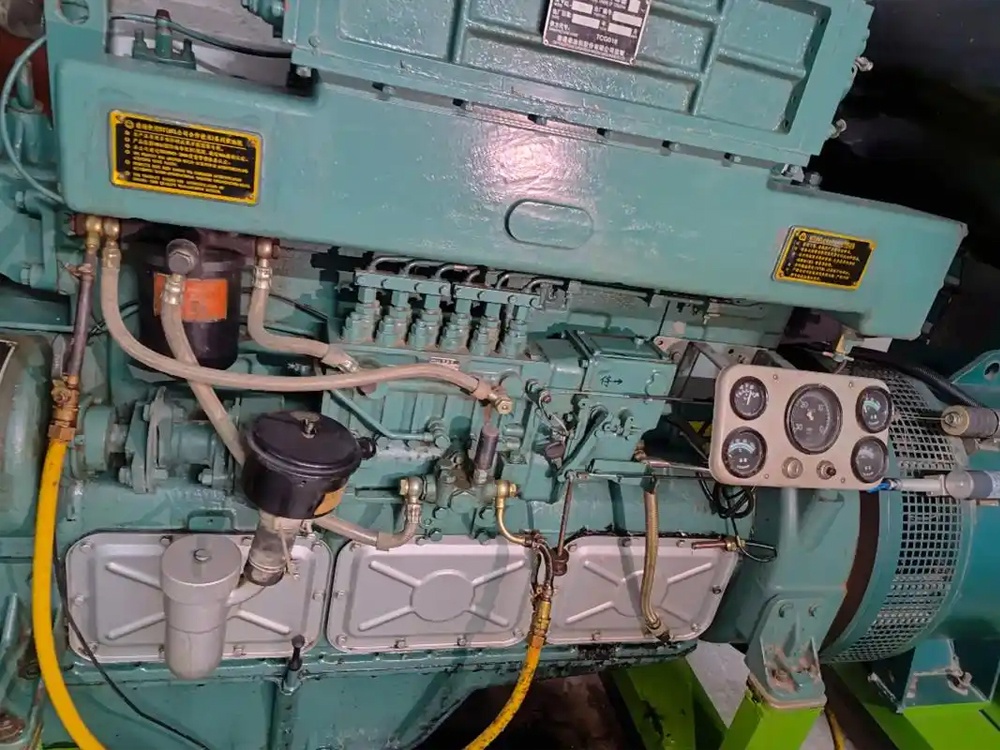
As winter sets in and temperatures gradually drop, people are taking various measures to protect themselves from the cold. Naturally, diesel generator sets also require specific maintenance procedures during the winter months to ensure a longer service life. So, how exactly should we protect our generator sets from the cold during winter?
I. Engine Fuel
Low winter temperatures tend to increase the viscosity of diesel fuel and impair its fluidity. This makes it difficult for the fuel to disperse properly, leading to poor atomization and even compromised combustion, which ultimately diminishes the power output and fuel efficiency of the diesel engine. Therefore, during the winter, it is essential to select light diesel fuel with a low pour point and excellent ignition properties. Generally, the pour point of the diesel fuel used should be 7–10°C lower than the current ambient temperature in the local area.
II. Using Open Flames to Aid Starting
In regions where temperatures drop to extreme lows, open flames may be used to assist in starting the machine; however, the air filter must *not* be removed. Some operators attempt to create a makeshift ignition aid by soaking cotton waste in diesel fuel, igniting it, and placing it inside the air intake pipe to facilitate starting. If done this way, dust-laden ambient air is drawn directly into the cylinders without passing through the filter. This causes abnormal wear on components such as the pistons and cylinder walls, leads to rough engine operation, and ultimately damages the machine.
III. Draining Water Prematurely or Neglecting to Drain Cooling Water
Before shutting down the generator, allow it to run at idle speed until the cooling water temperature drops below 60°C—to a point where the water is no longer too hot to touch—before turning off the engine and draining the water. If the cooling water is drained too early while the engine block is still hot, the sudden exposure to cold air will cause rapid contraction, potentially leading to cracks in the engine block. When draining the water, ensure that all residual water is completely expelled from the engine block to prevent it from freezing, expanding, and cracking the block. Shunjinxing hereby advises all users—regardless of the season—to utilize antifreeze coolant. This is especially critical for generator sets, as antifreeze not only serves a cooling function but also provides essential protective benefits for the diesel engine.
IV. Selection of Lubricating Oil
During the winter, select engine oil with a low pour point. When starting the engine, an external water-bath heating method can be employed to raise the temperature of the engine oil. The use of open flames is strongly discouraged, as this risks degrading—or even scorching—the engine oil within the oil pan. Such degradation compromises or completely eliminates the oil's lubricating properties, thereby accelerating machine wear.
V. Starting Procedures
During the winter season, if resources permit, it is recommended to equip the generator set with a jacket water heater. This helps maintain a certain baseline internal temperature within the machine, ensuring it can be started with ease at any time. Some operators, in an effort to achieve a rapid startup of the diesel generator set, resort to an unconventional "waterless start" method (starting the engine first, then adding cooling water). This practice causes severe damage to the machine and is strictly prohibited. The correct preheating procedure is as follows: First, drape an insulating blanket over the radiator; then, open the drain valve and continuously pour clean, soft water heated to 60–70°C into the radiator. Once the water flowing out of the drain valve feels scalding to the touch, close the valve and proceed to start the engine.
VI. Precautions for Operating Under Load in Low Temperatures
After the diesel generator set has successfully started, some operators are prone to rushing the process and immediately applying a load. In a diesel engine that has only just started running, the engine block remains at a low temperature while the engine oil retains a high viscosity; consequently, the oil struggles to adequately flow into and lubricate the moving friction surfaces, leading to severe machine wear. Furthermore, components such as the plunger springs, valve springs, and injector springs become susceptible to fracture due to "cold brittleness." Therefore, after starting a diesel generator in winter, the engine should be allowed to idle at low-to-medium speed for several minutes; only when the cooling water temperature reaches 60°C should the unit be placed under load.
NANBOWAN
Professional generator set manufacturer
24/7 before-sales and after-sales services
Comprehensive technical support