
NEWS
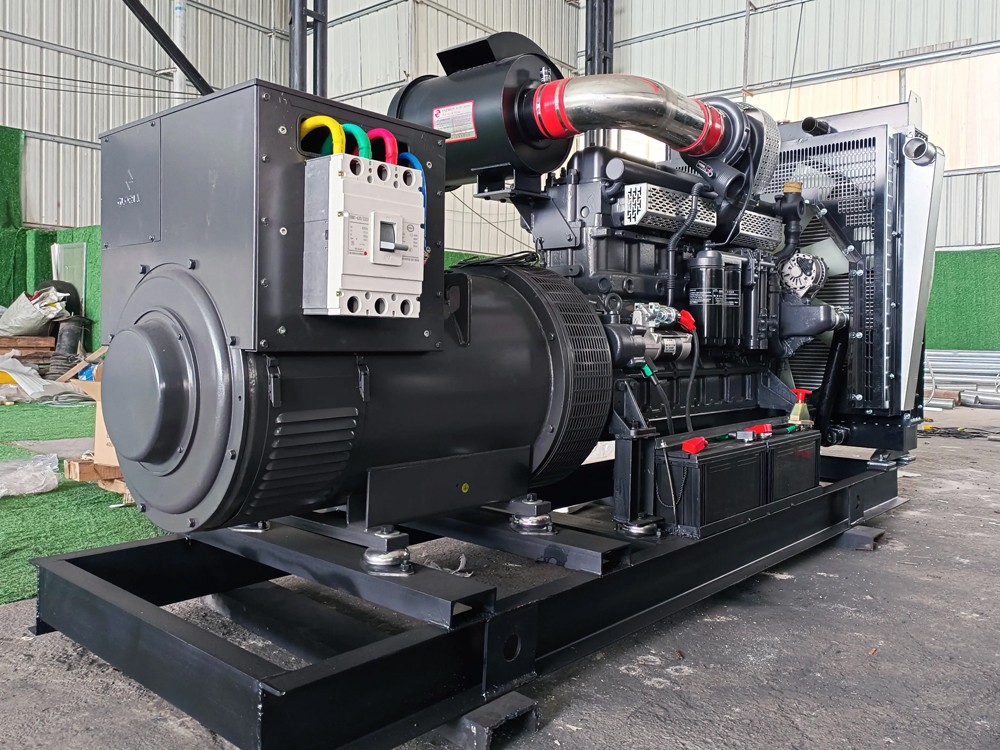
I. Common Radiator Faults and Their Causes: The primary fault prone to occurring in water-cooled radiators is leakage. The main causes of such leakage include: fan blade breakage or misalignment during operation, resulting in damage to the radiator fins; improper mounting of the radiator, causing vibration from the diesel engine during operation to crack the radiator's connection joints; and excessive impurities or salinity in the cooling water, leading to severe corrosion and subsequent perforation of the tube walls, among other factors.
II. Inspection of Damaged Radiators: When a radiator exhibits signs of leakage, its exterior should be thoroughly cleaned before conducting a leak inspection. During the inspection, all ports—with the exception of one inlet or outlet—should be completely plugged. The radiator is then submerged in water, and compressed air at a pressure of approximately 0.5 kg/cm² is injected through the open inlet or outlet using an air pump or high-pressure air cylinder. If bubbles are observed rising to the surface, it indicates the presence of a crack or rupture at that specific location.
III. Radiator Repair Procedures
1. Repair of Upper and Lower Water Tanks: Prior to repair, the leaking area must be thoroughly cleaned. A metal brush or scraper should then be used to completely remove any paint or rust, after which the area is repaired using solder. If significant leakage occurs around the mounting screw locations of the upper or lower water tanks, these tanks should be removed and replaced with newly fabricated tanks of appropriate dimensions. Before reassembly, an adhesive or sealant should be applied to both the upper and lower surfaces of the gasket, after which the tanks are secured in place using screws.
2. Repair of Radiator Water Tubes: If the damage to the outer water tubes of the radiator is minor, it can typically be repaired using tin soldering. If the damage is extensive, the ends of the damaged tube can be crimped shut using needle-nose pliers to prevent leakage. However, the number of tubes blocked in this manner should be kept to a minimum; otherwise, the radiator's heat dissipation efficiency will be compromised. If damage occurs to the internal water tubes of the radiator, the upper and lower water tanks must be removed to allow for the replacement or soldering repair of the affected tubes. Upon completion of the reassembly process, the radiator should undergo a final leak inspection.
NANBOWAN
Professional generator set manufacturer
24/7 before-sales and after-sales services
Comprehensive technical support